The Book of Fried Rice
What is fried rice? Lets overcomplicate it by watching all of French-man Alex's quest to make really good fried rice.
History
Apparently originating in YangZhou (揚州), which explains why I've heard of YangZhou fried rice before.
Principles
Fried rice in a sense reminds me of the really classic Italian dishes carbonara and margherita pizza, in that its ingredients and preparation are overall extremely simple and they are staples of their respective cuisines. As such, getting the most out of fried rice requires paying attention to detail.
In investigating this I have already run into a problem: fried rice is meant to use really high heat and involves tossing/scraping. A normal western home kitchen will not have a wok-burner, a wok, or a stirring utensil for the wok. Using stainless steel or nonstick pans won't work as well because it will either stick to the pan (stainless), or you can't scrape or run high heat, lest the coating delaminate (teflon). Thank god I atleast have gas at home. So I guess that I am committing to this project by buying an actual wok and figuring out how to use it.
Improving my space
The wok
I have chosen a really nice Japanese wok. It will realistically make little difference to my cooking, but for $60 and something I plan to use all year, its nice to get something bougie. Its hand hammered, which means that an individual human has touched it a bunch basically. I didn't get too into the metallurgy of it, its just nice to get something that has a fun vibe and a cool stamp on it.
The seasoning
At first I read Sheryl's blog because of the YouTuber Alex and thought 'okay' I'll use flaxseed. But then I read this which said:
So anyway, the best oils for seasoning are those with the most omega-3 fatty acids, right? Well, not necessarily. In fact, the idea that "more omega-3 means better seasoning" is exactly the main issue with the brief linseed / flaxseed craze (which started with a single blog entry whose author had no understanding of organic chemistry but thought she did, and was picked up in a half-assed "test" by some Cook's Illustrated online-only "writer")
Here's the thing, I was already 5 layers of flaxseed in when I read this. Apparently canola oil was the way to go.
Why?
Well, to be honest, although the Reddit post is opinionated, it doesn't cite any sources or discuss in detail any chemistry. Looking through the literature, there is the wonderfully named paper "Seasoning Chinese cooking pans: The nanoscience behind the Kitchen God's blessing" which does not actually compare oils but simply examines the nanostructure of the oleophobic surface that is created by seasoning a wok at high temperature (450 degrees)
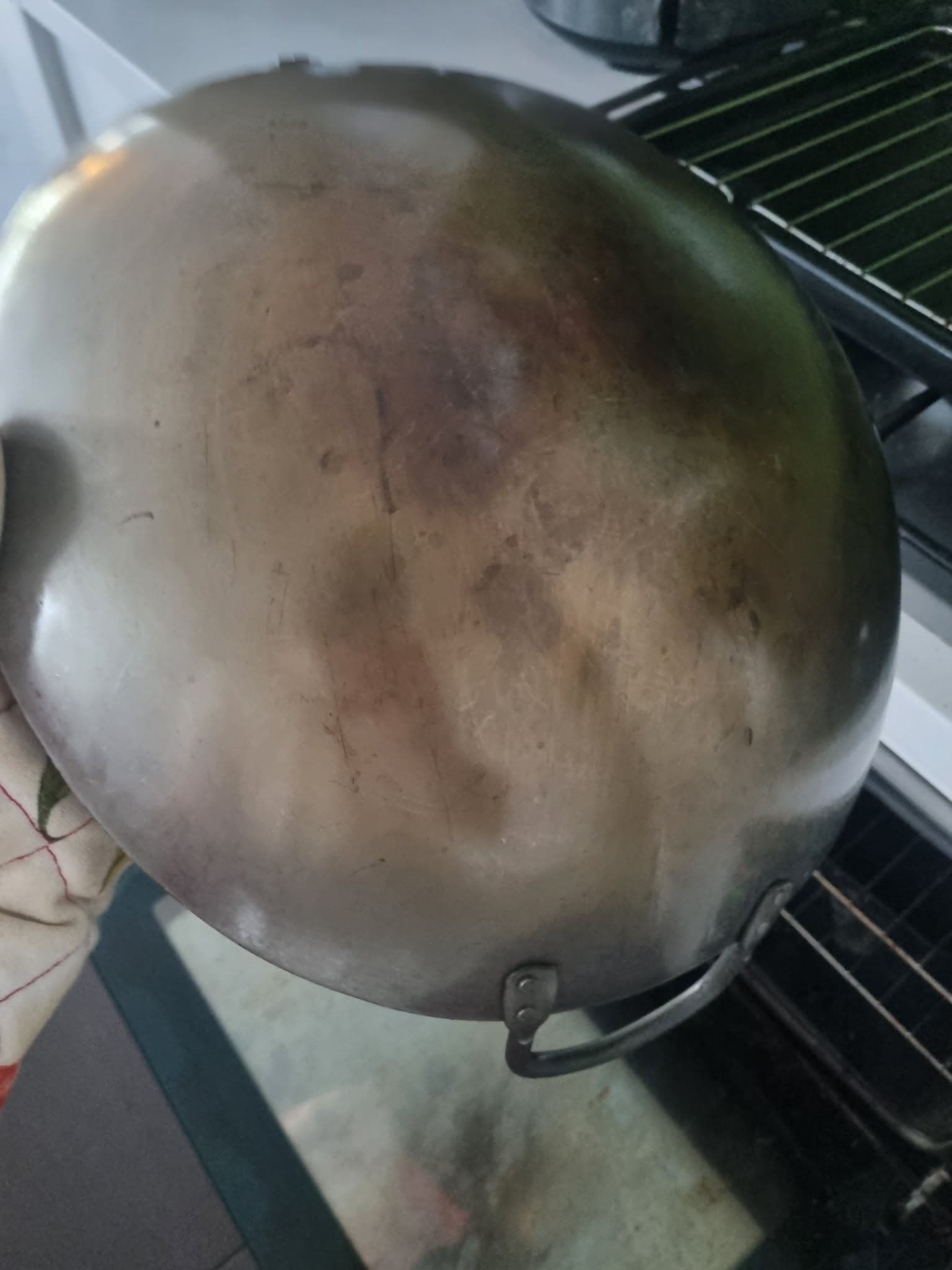
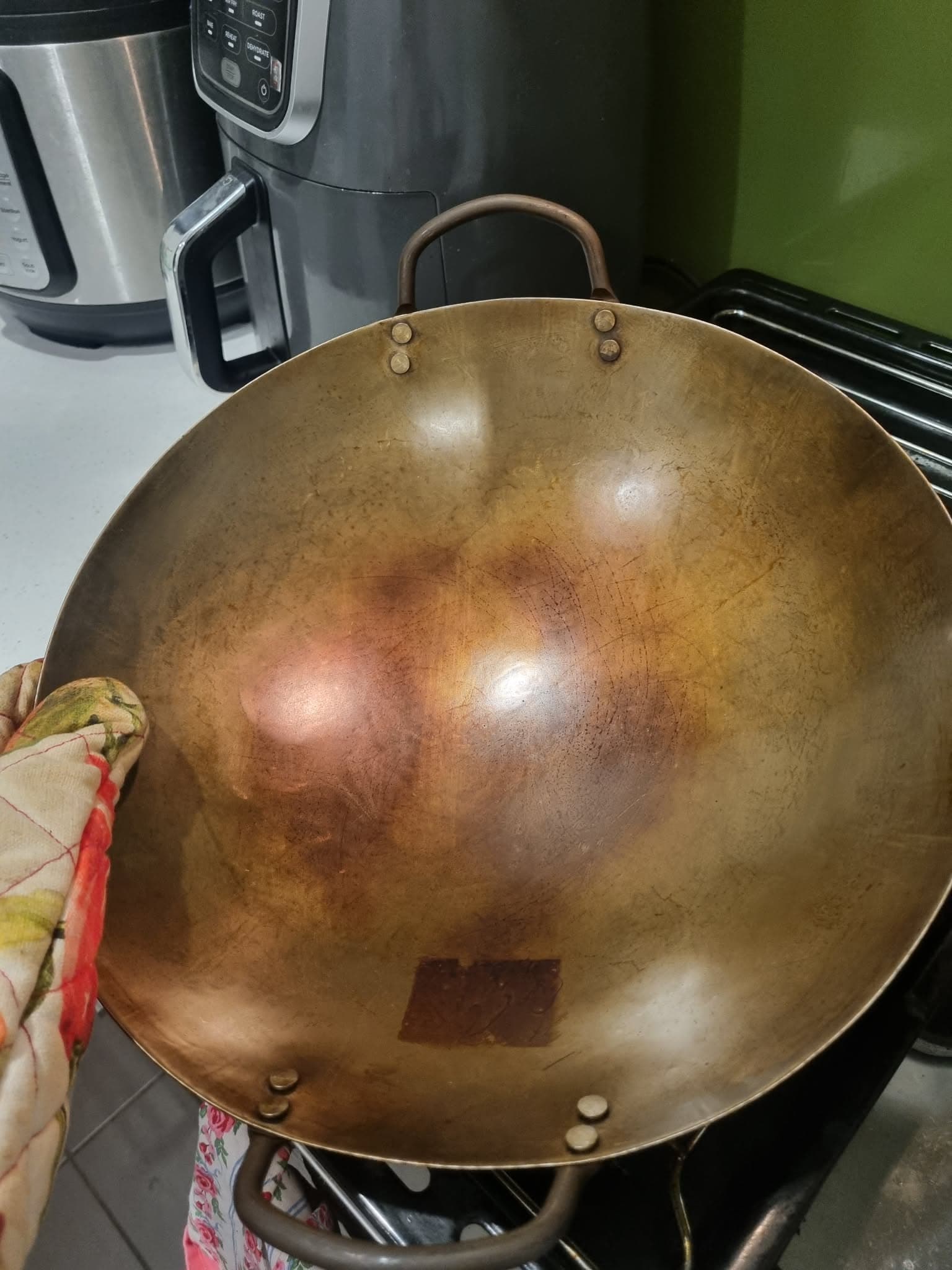
Update:
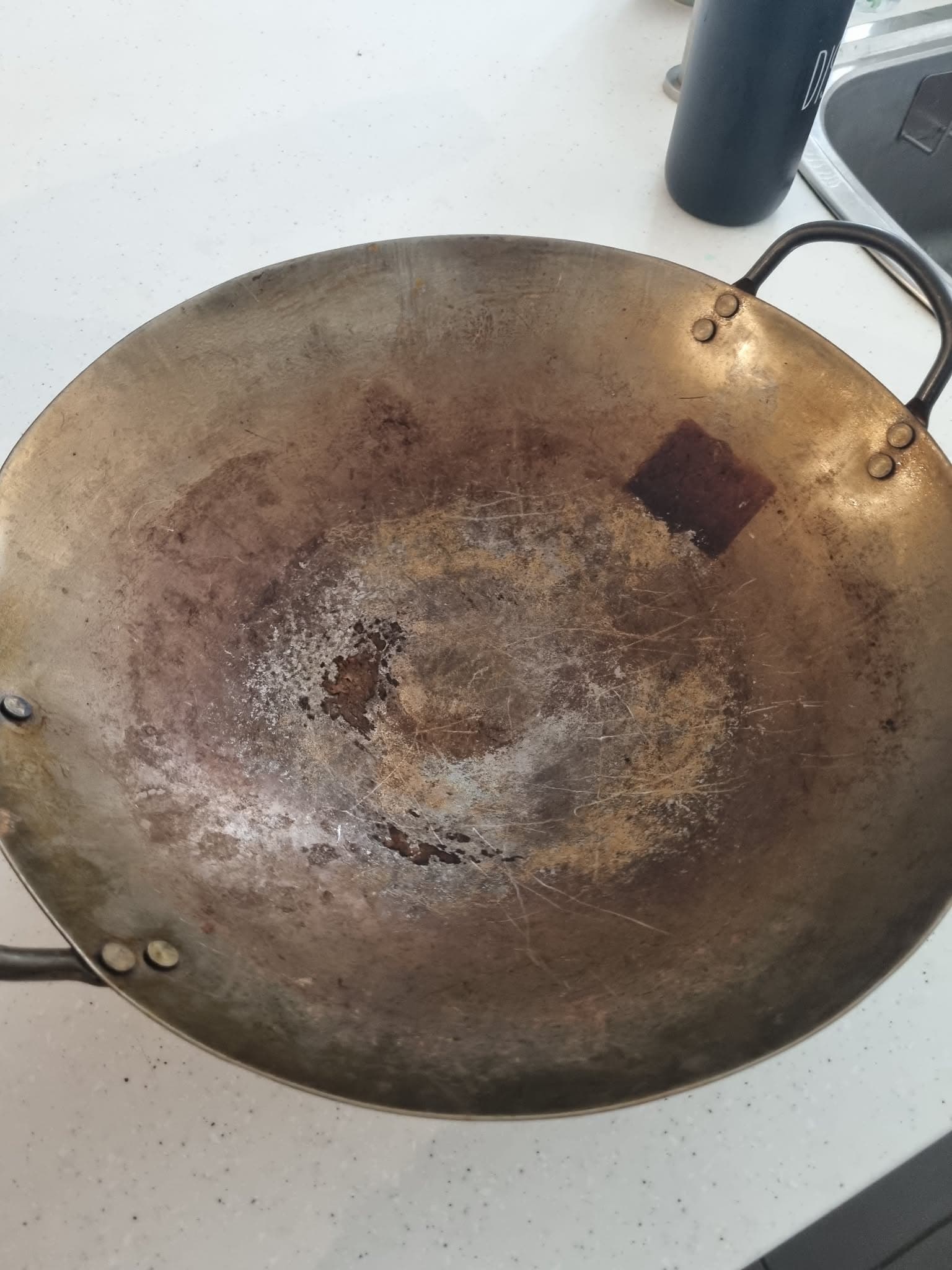
My seasoning definitely did not last. After just two cooks, it looks flaky and peeled with raw iron silver showing. It does not hold up nearly as well as Alex's does. The main difference between my method and his is that he used a gas burner and not the oven. So I would guess that its because I can't get the heat high enough for flaxseed polymerisation? To be honest, his video doesn't go into enough detail.
Update 2:
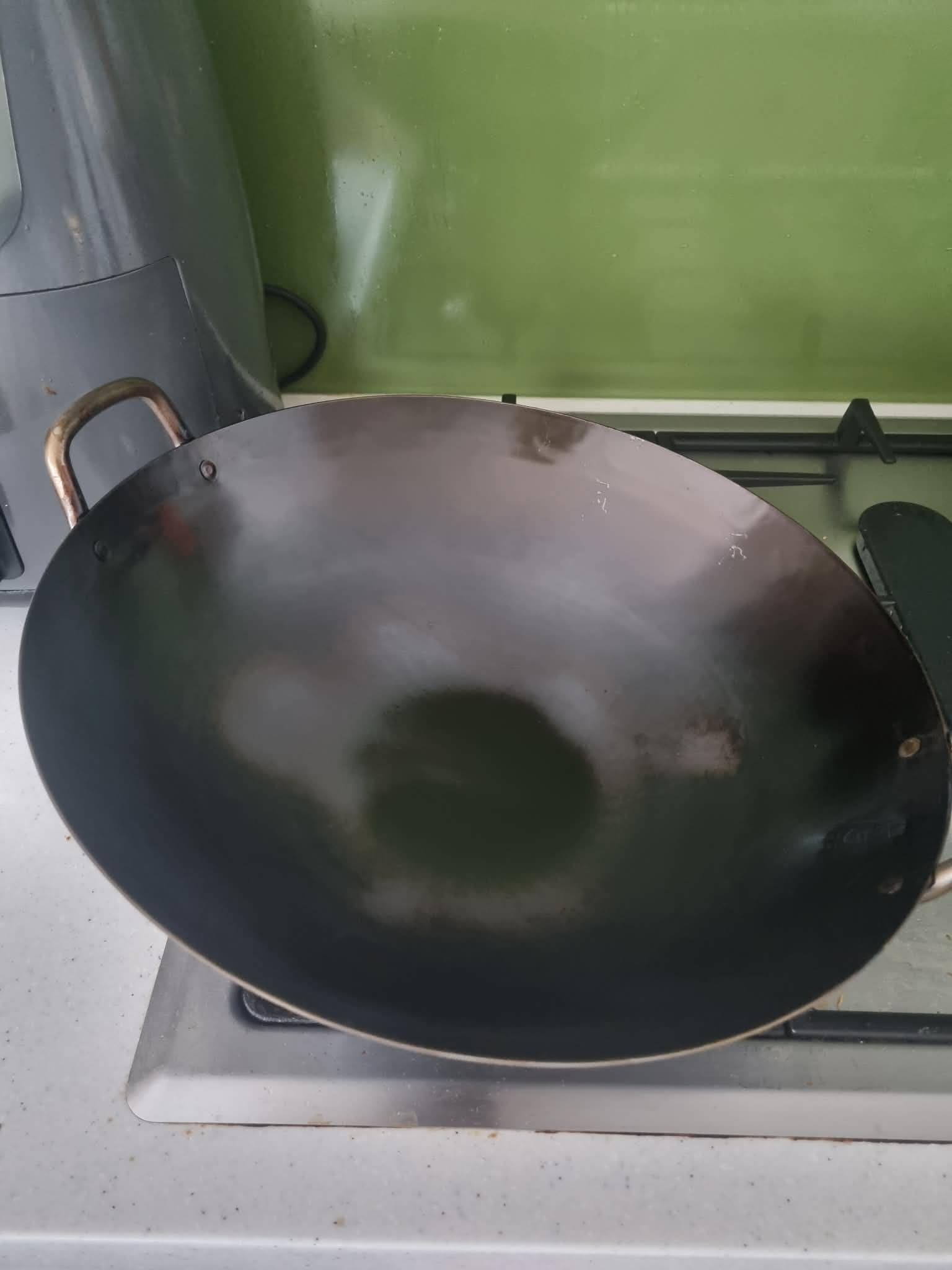
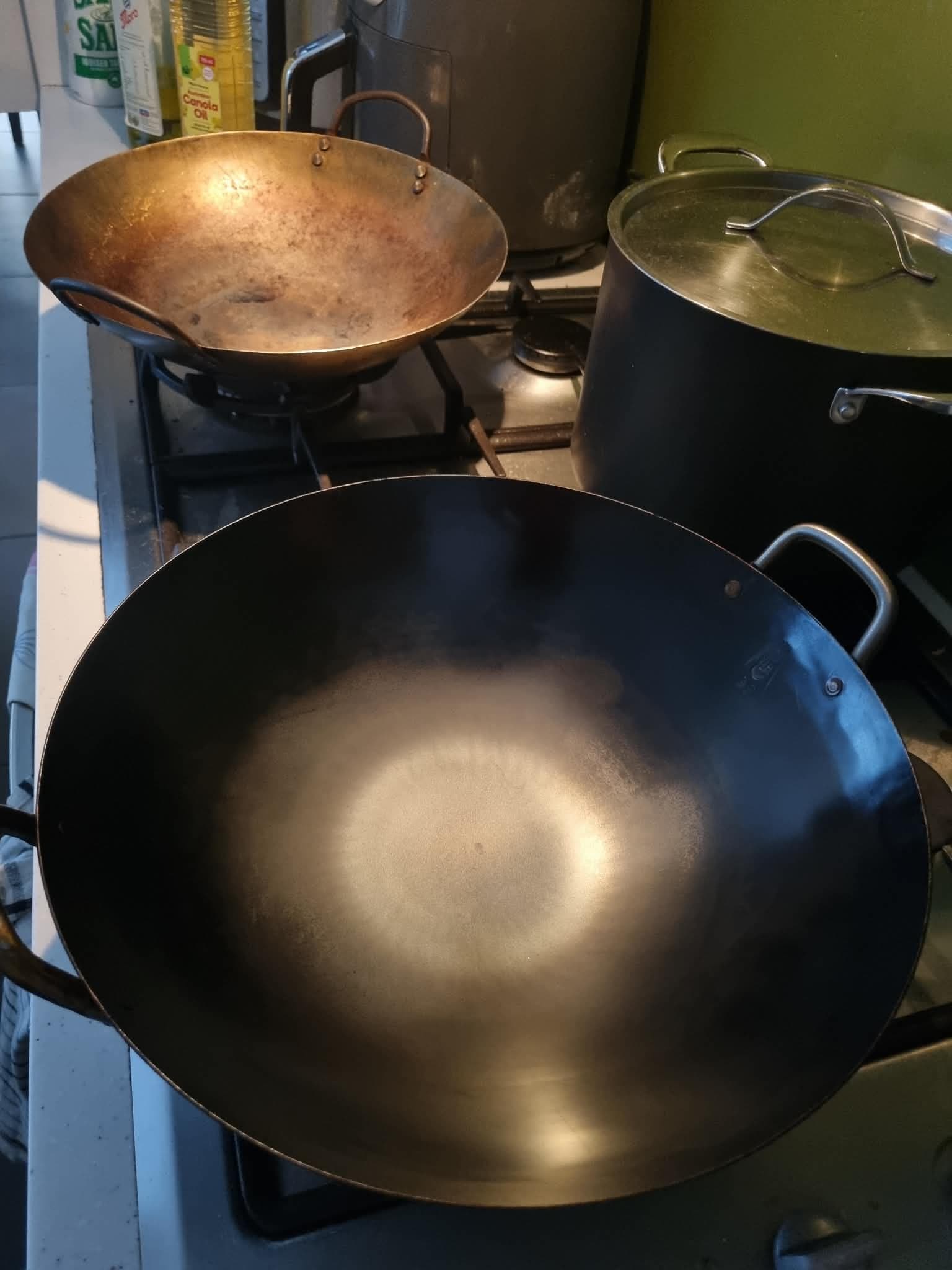
I purchased a thrice more expensive hand-hammered wok from Japan and have seasoned it. I seasoned this wok only on the inside, food-facing surface rather than the whole wok (improvement 1). I seasoned it using canola oil and the burners extremely hot flame than in the oven (improvement 2). We will see how it holds up.
Update:
I like the 'expensive' Japanese wok a lot. Its so great. I think that canola seasoning definitely works better, it smells more traditional. As well I didn't season the underside, so you're not coming into contact with the polymer on your hands when you handle the wok, which is a huge bonus.
The stove
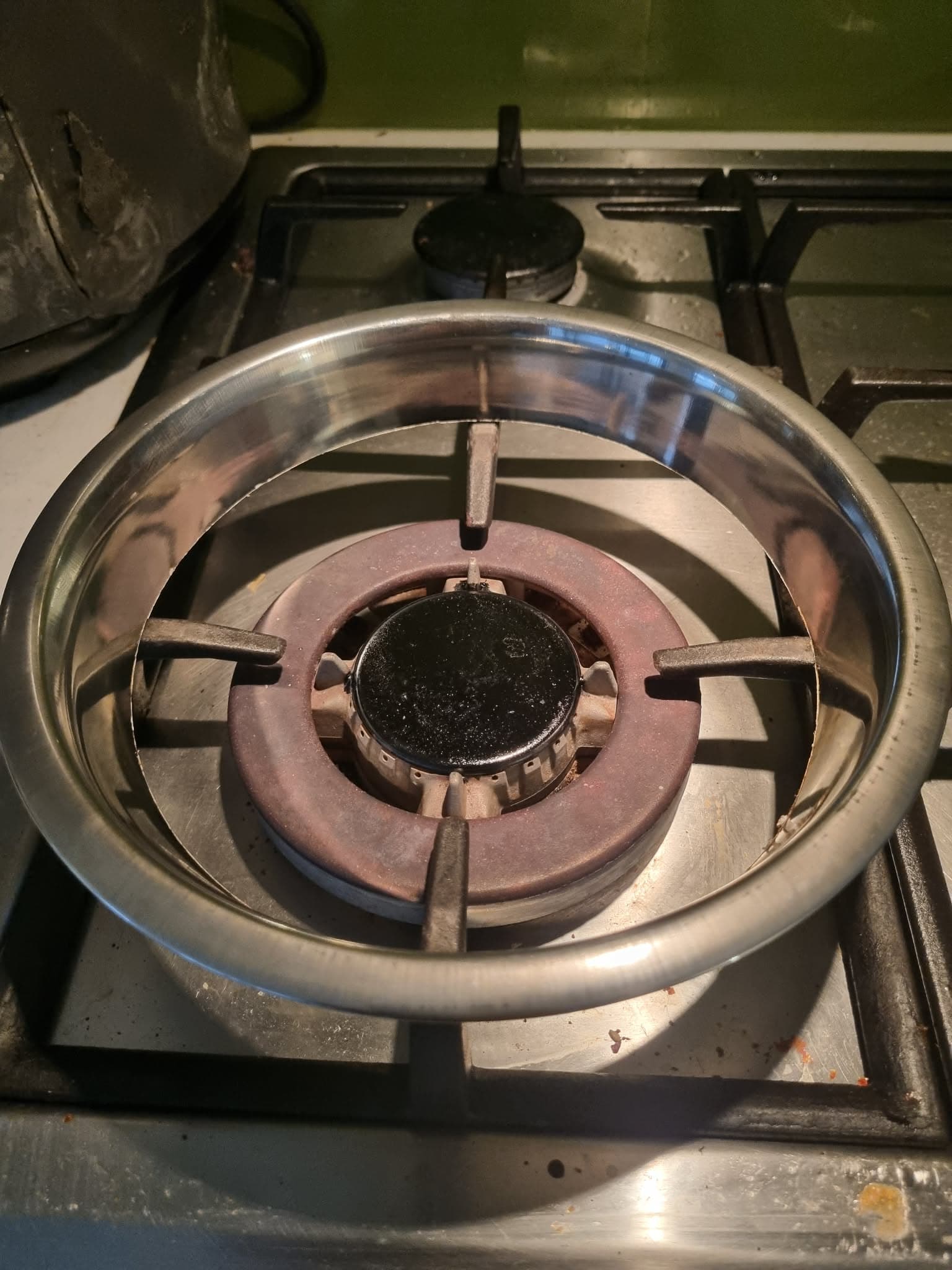
My stove currently is not really compatible with a wok, so I have purchased a cast iron wok support ring that sits on top of the iron trivets of a gas stove. It will allow me to manipulate the wok.
The problem with it is that its just not really compatible with wok tossing. It looks like so:
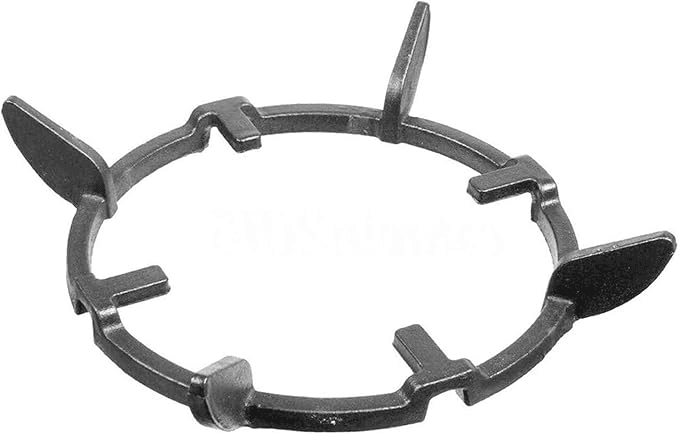
So its kind of useless? Its making me think that I should look at an induction stove or even just a flat-bottomed wok with a normal handle. But that goes against what it means to be me.
The apron
The apron is not something people really wear when cooking. But it gives it such an official vibe and appeal, and it does allow me to not worry about getting my clothes dirty and gives me something to wipe my hands on.
So of course I go to Pinterest. The thing I'm officially overthinking it at this point but its FUN to overthink it. I kind of want an apron like Marco Pierre White wears:

Look at that drip. I'm unsure why I'm so drawn to it. You'd think I'd be into leather but it just ends up looking like leather fetish gear to me, and other styles just don't look right.
Honestly though its kind of hard to buy, I must create a pinterest.
Update: I did, and didn't find anything better or inspiring apart from Marco, so just bought an apron close to it
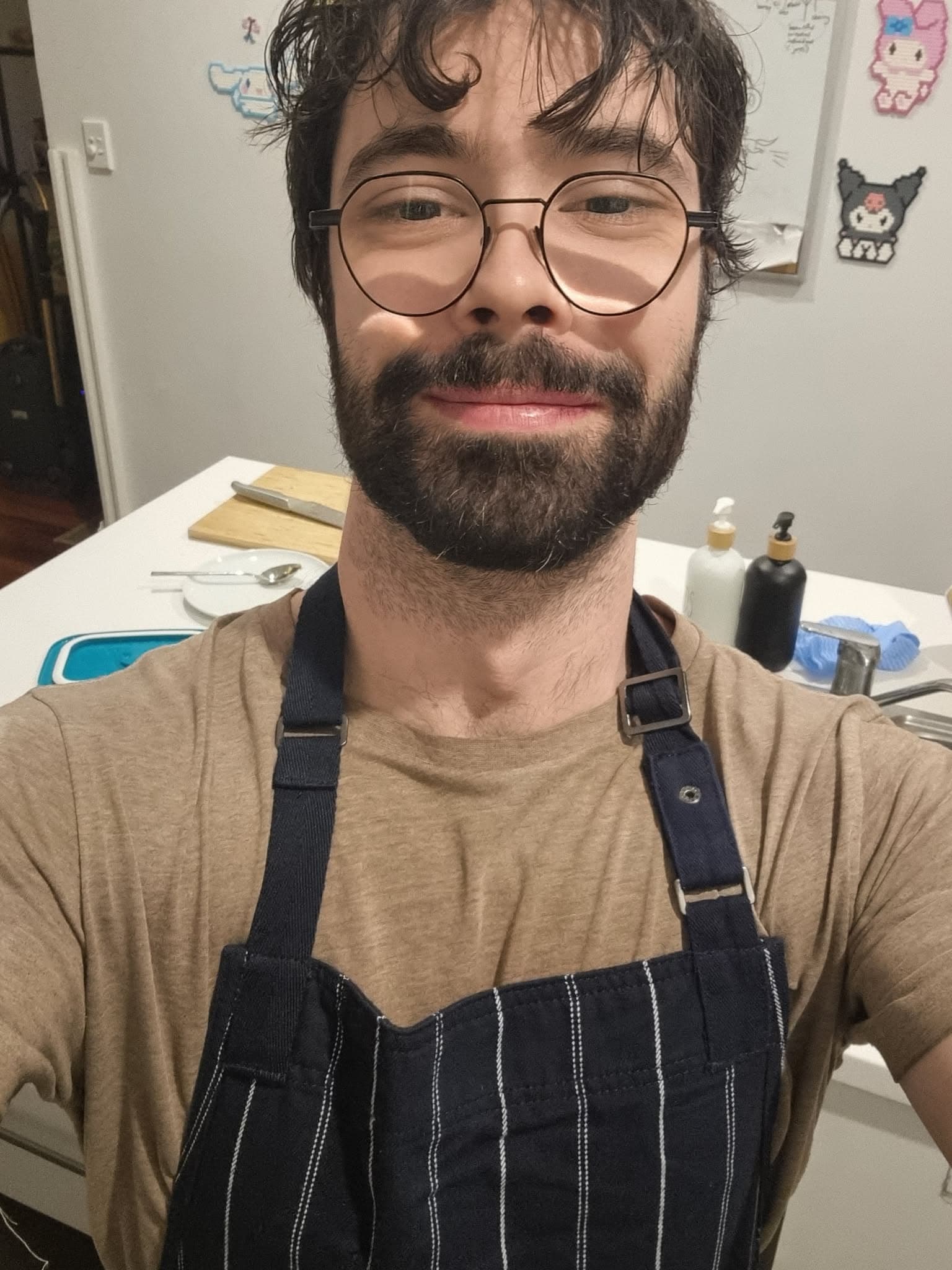
Update 2: it arrived - it looks great imo, it actually kind of has the same affect as a good tank top, accentuates the shoulders.
The wokmon
The flame of my gas burner will be much improved through the simple addition of a 'wokmon'. A bowl like cover that concentrates the flame (see here). However, its $120 before shipping (shipping is also expensive). Which is crazy. Especially considering that you can get a good wok burner for $300:
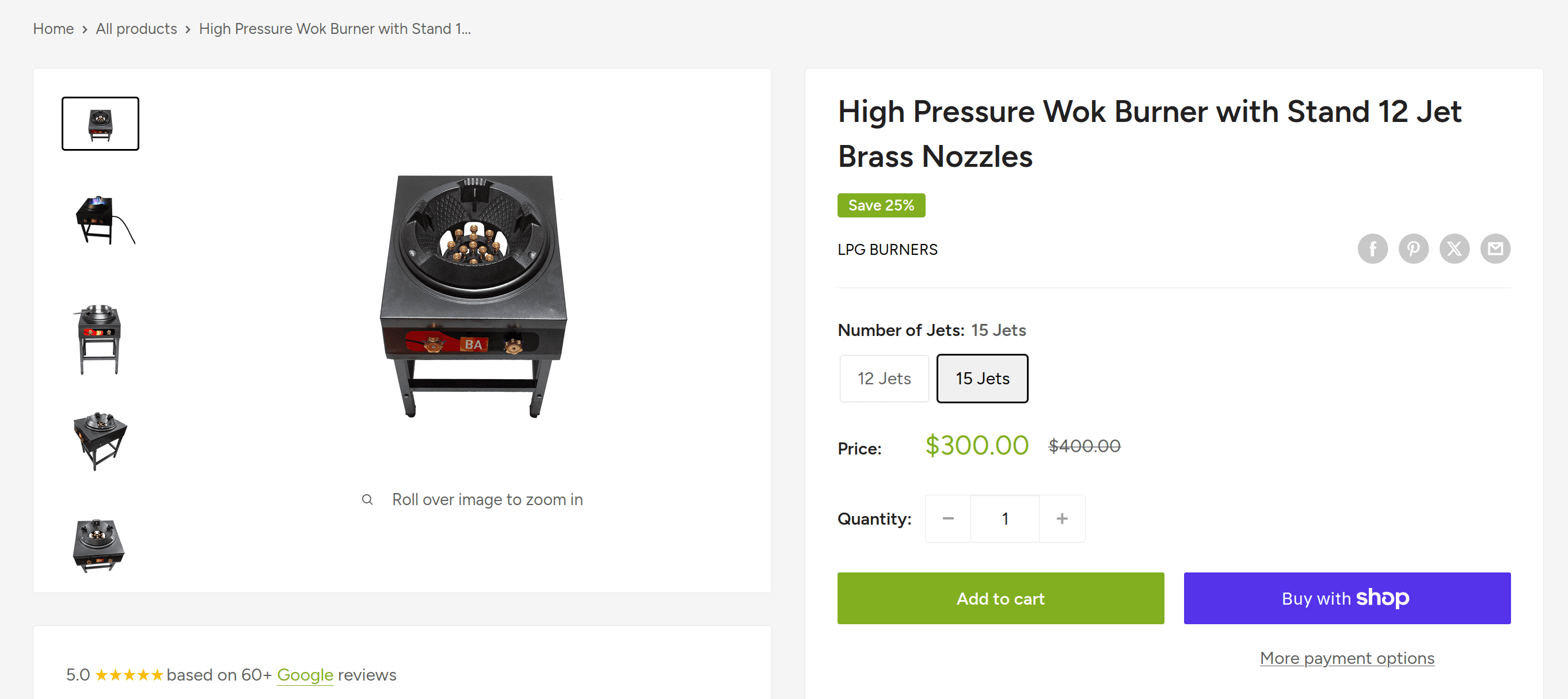
The thing is, these units are actually kind of expensive in Australia, shipping and manufacturing always happening elsewhere of course.
Now... one cannot deny that it produces results:
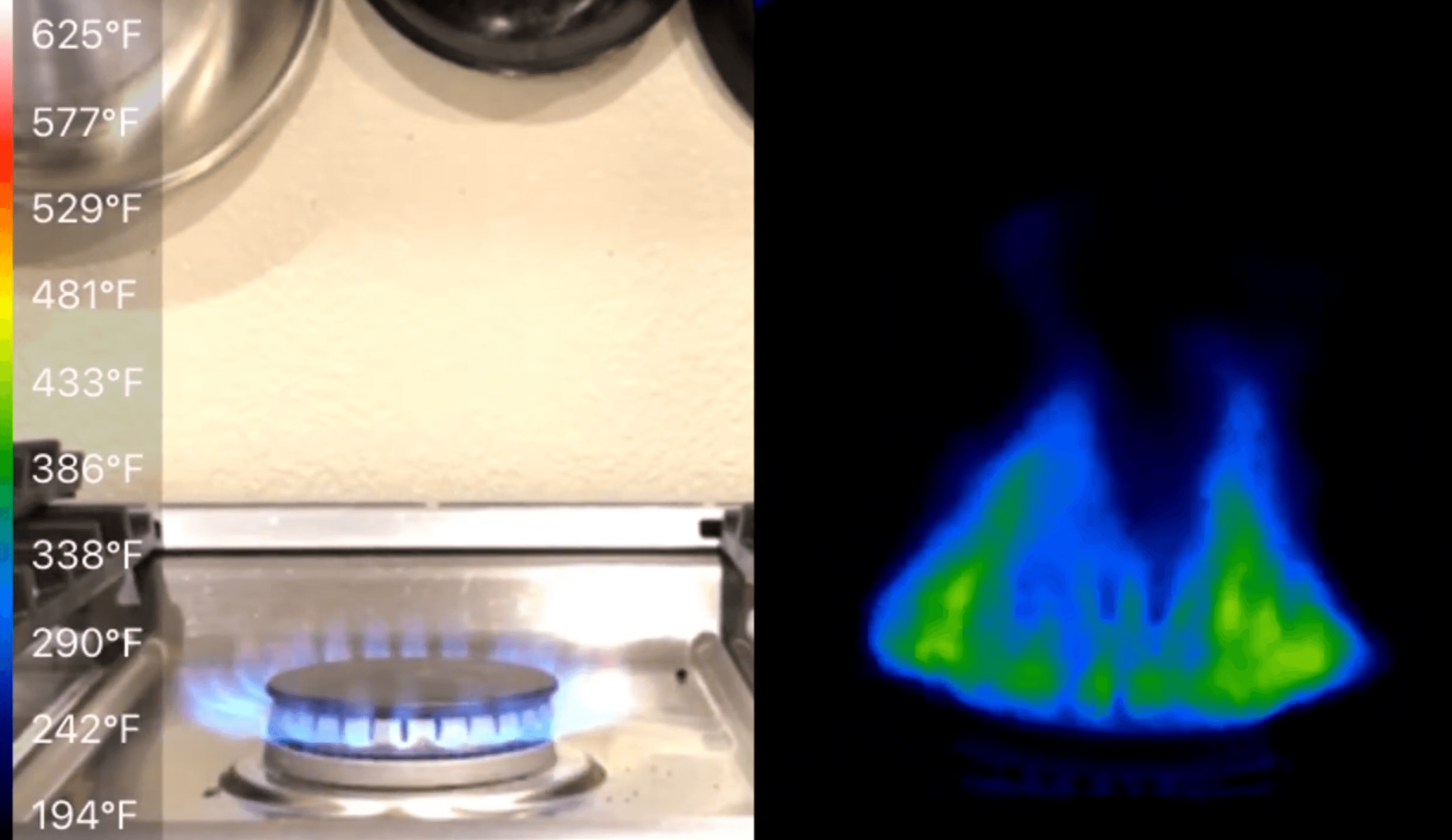
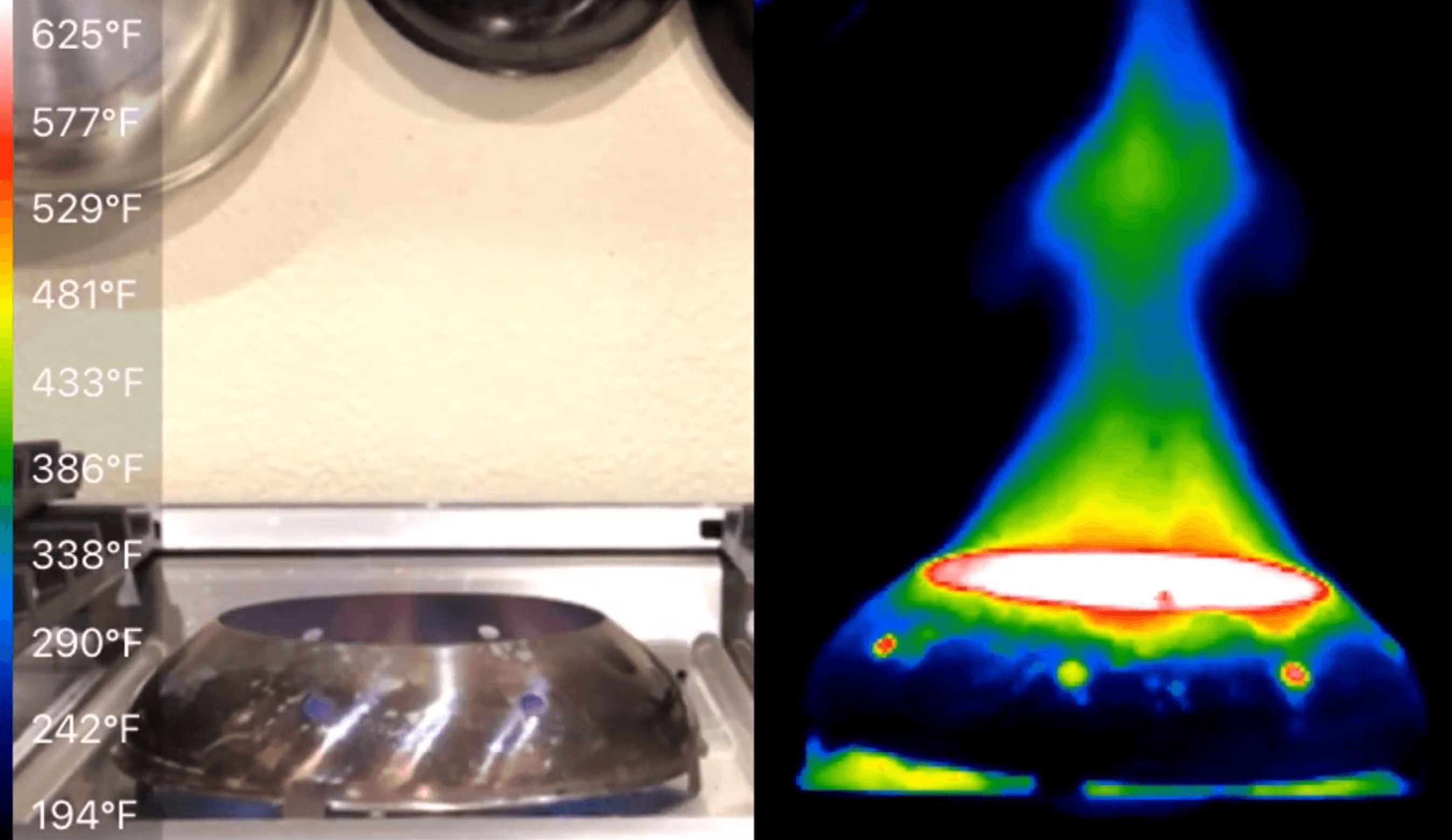
And it allows you to cook indoors and is QUITE portable compared to a wok burner.
A wokmon should be buildable out of steel bowls. For this investigation I shall get some stainless steel bowls and cut them to size. But first I need some stainless steel bowls.
Update:
Here we go:
The iron trivets I have have a height of 4cm
The diameter of the biggest burner I have is 13cm, or 5.1 inches, which would make the wokmon I would purchase "extra large".
This would seemingly conflict with my iron trivets - BUT, we can raise them using something like a nut (as in a nut and bolt) on the corners of the trivet.
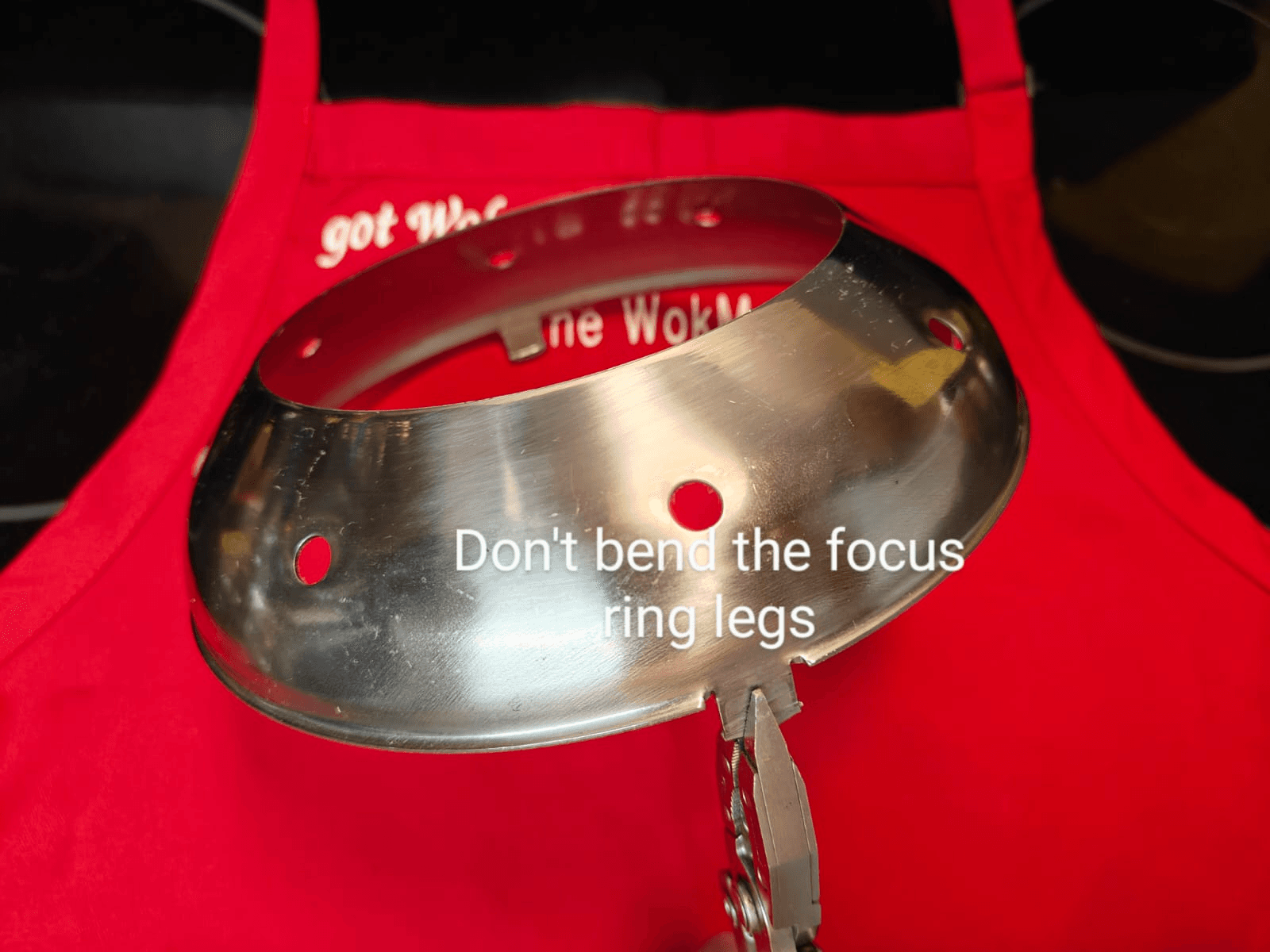
We can see that the wokmon has these legs which they say "are essential for the proper circulation of air", probably because of convection. So we need a bowl that extends a few cm above the burner, and is a few cm wider. But no more than that. The shallowest bowl (the closest to 4cm high) with a diameter of 15-18cm should be in the range.
Then there are these curious holes, I shall have to drill them, there appear to be about 8 holes.
All this to say that I need to go bowl shopping.
Update 2:
I went bowl shopping. I did not find any perfect bowls. But I found what I thought was good enough - so I set to work asking my neighbour Steven for help, for you see, I have no powertools, nor much handy-man experience. So I thought it would be good to get his eyes on the problem.
The first thing he pointed out to me was that I had not properly considered the problem. We then watched about 15 minutes of this speech by John Cleese on the difference between play and goal-directed thinking (honestly really enjoyed it).
Then we set to work playing around and trying out different ideas, until we had a brainwave.
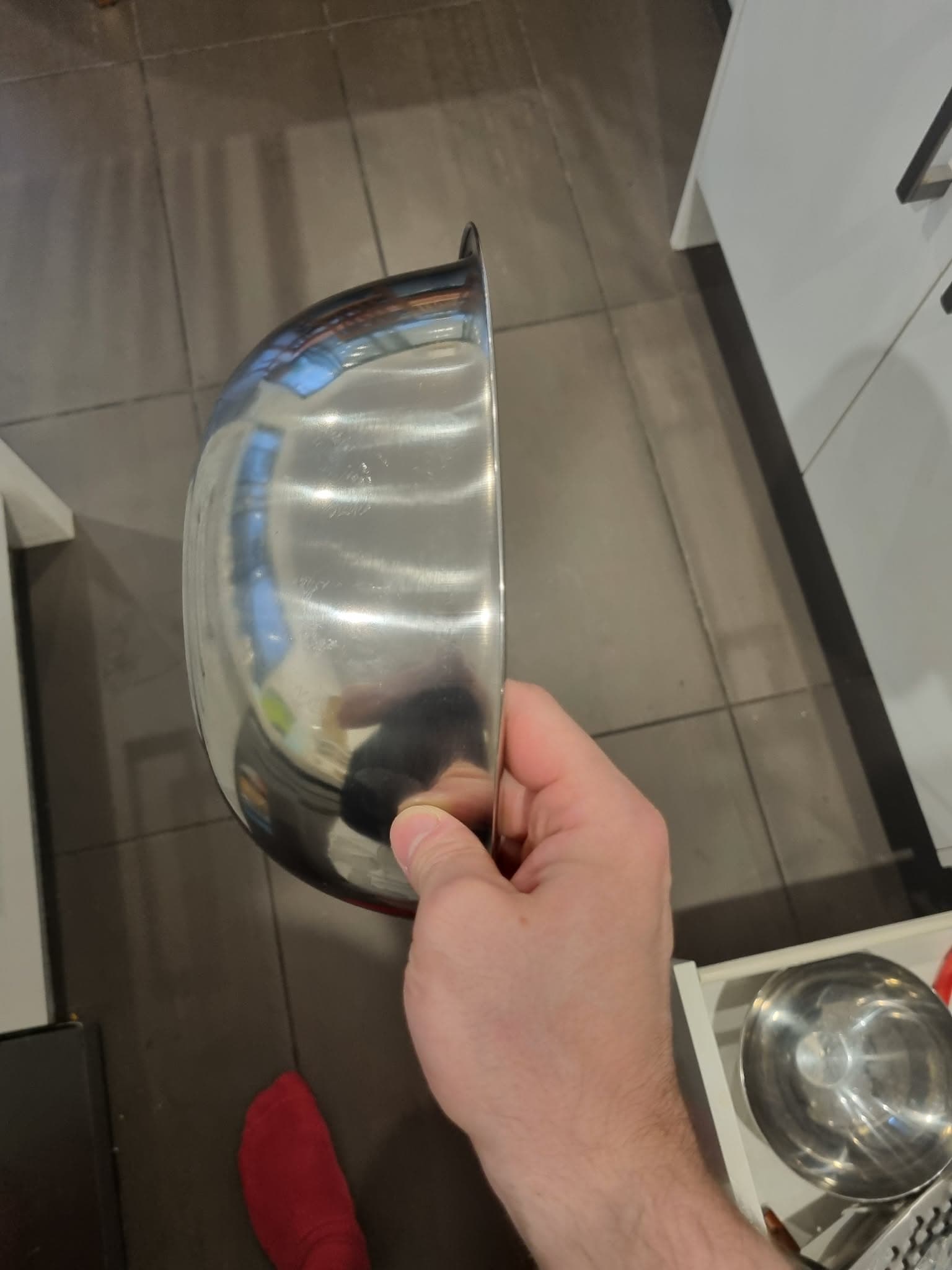
This bowl can be orientated one of two ways, bottom on the bottom, or top on the bottom. We decided that it may be better to have the bottom on the bottom, losing some convective ability - in order to facilitate the wok itself and its ability to be rocked.
Now all we need to do is cut into its new bottom half so that it sits on the trivets, and our experiment is complete. How far we should cut? We don't yet know.
Ingredients
The most basic fried rice is scallions and rice.
Cantonese fried rice will use light soy sauce, sugar and salt.
Techniques
The toss. As of yet to practise it properly due to limitations of the stove. However I notice that Chef Wang in this video does not toss 'perfectly', he often loses grains of ingredients when tossing.
Experiments
1. First actual cook
Technically my second cook, but the first cook was just trying to cook rice in oil.
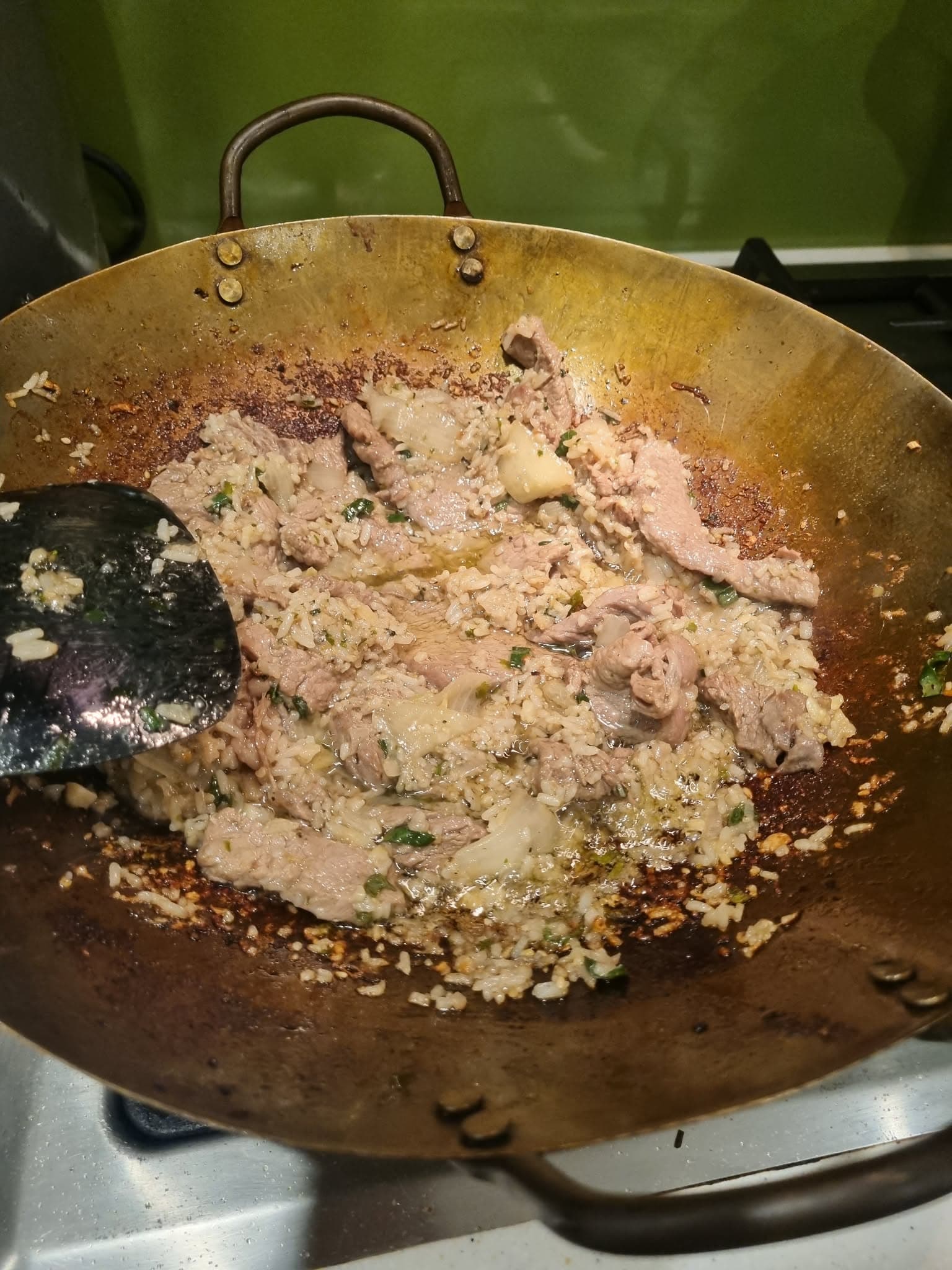
Fried shallots, fried garlic, light olive oil, steak, old rice, green onions, white onions.
Fry the shallots, add salt. Fry the garlic, add salt. Fry the white onions for several minutes and then put the rice in, fry with nori, salt and copious pepper. Fry the beef, previously salted. Combine together for heat.
Pretty annoying to make in a sense because you're dumping quite a bit of oil frying the garlic and shallots. I used 250ml of olive oil making this.
This was haphazard, just an attempt at doing stuff I wouldn't normally do, like frying garlic and shallots.
But the flavour was very good. It was tasty, you could taste the wok hei. It was delicious. Quite earthy? I mean its the kind of dish you could eat a lot of. But frankly, it was pretty random. Certainly not a 'chinese' dish.
Update a week later:
I still think about how good this one was
2. Homestyle egg fried rice
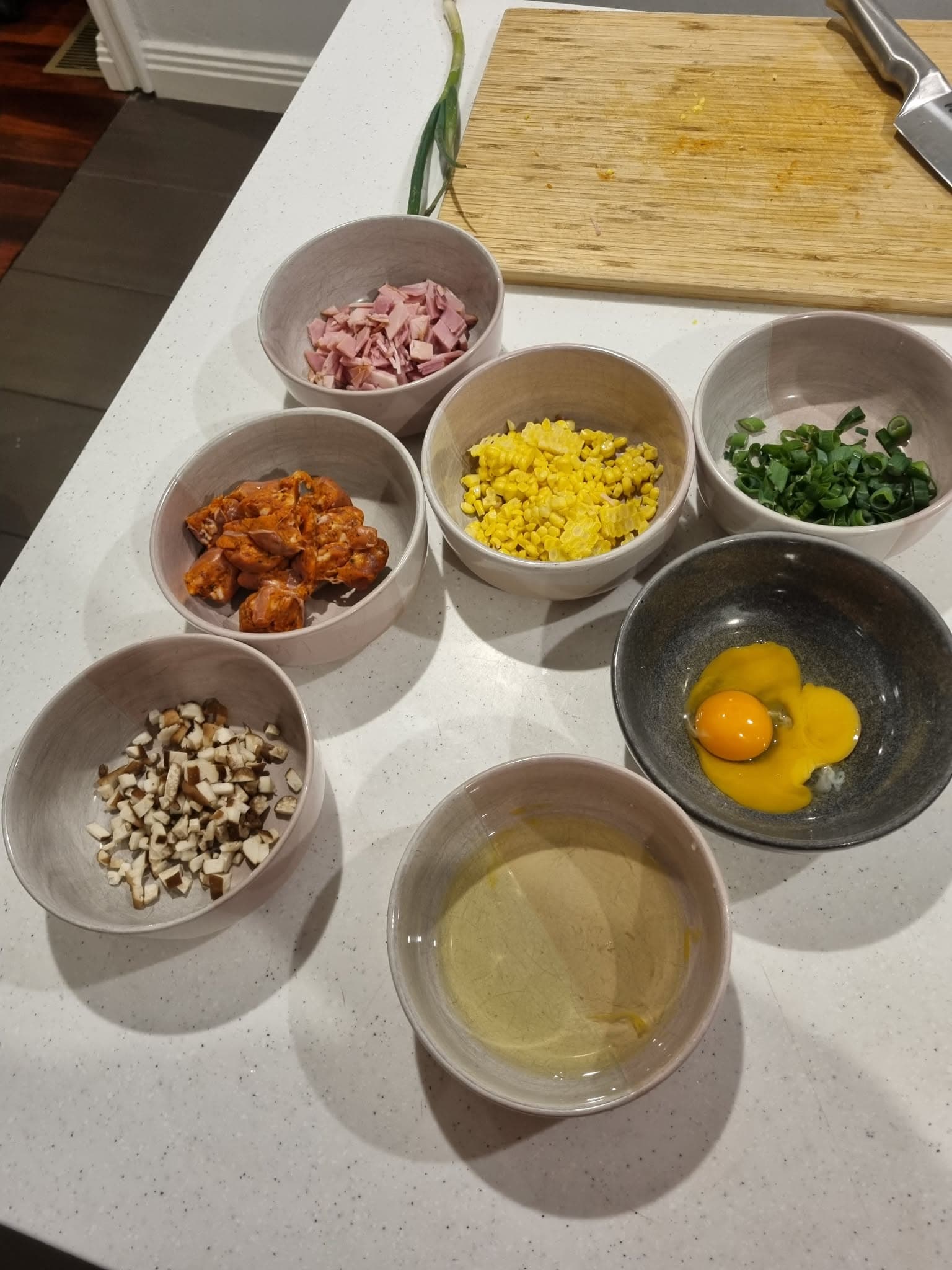
Take two eggs and separate the yolk and whites
Get some corn, then dice bacon, sausage, 2 shiitake mushrooms.
Cook the egg whites, then separate. Then cook yolks, when they're 50% cooked, add sausage, bacon and corn. Cook them through then add the egg whites back (why?) and cook.
After they're cooked, add the rice and shiitake mushroom. Turn heat to low and stirfry for 5 minutes.
When cooked, add soy sauce and scallions, toss on high heat, then serve.
Update:
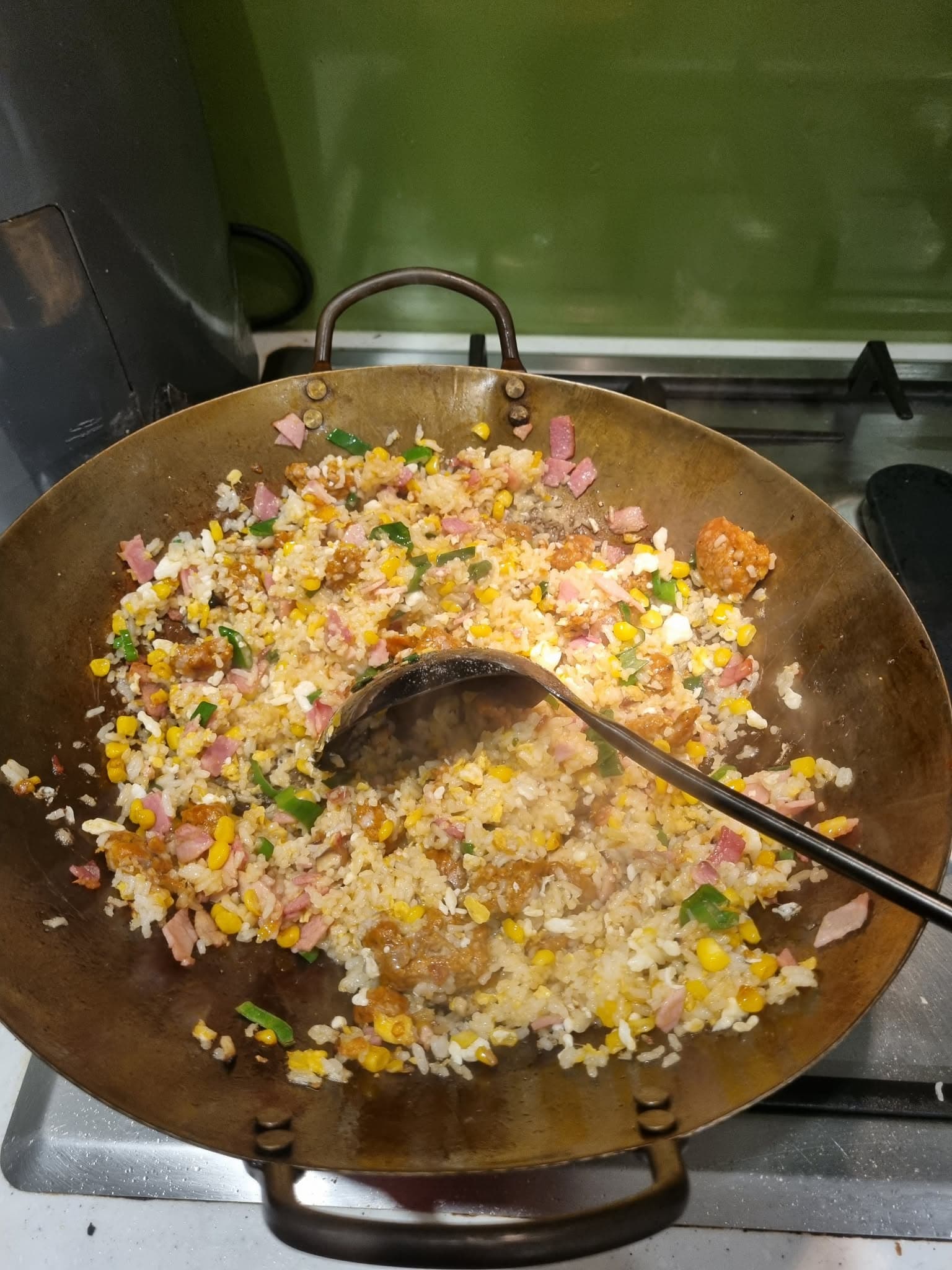
This was not very good (but looks good), my first attempt was must tastier and more-ish. I used chorizo, which is not at all a vibe, it sucked. And I definitely could feel that the ham, chorizo, mushroom mix needed more corn, like double the amount, because the corn is what makes it pop.
As well, the oil that I used, the light olive oil, was also not a vibe for this one at all, just feel really fatty and the umami was overpowering and bad. It wasn't inedible, it was just a disappointment.
It also was quite wet, which, before, was okay, but so wet and fatty... As well I agree with Chef Wang that it doesn't really need added salt, so next time just add sugar and msg separately.
I'd half the meat amounts, add more corn.
Update 2:
I have made the dish twice more since then - I halved the meat and kept the corn the same - added more of the 'chicken seasoning' (a GOOD pinch) and more soy sauce, and the dish got a lot better, less cloyingly fatty, more flavourful.
As well, there was an update in technique. I don't need to use all the bowls to separate everything out. The ham, sausage and corn is all meant to go in at the same time, so it can just be in the same bowl. As well, separating out the egg whites is much easier with a deep measuring spoon, just scoop out the yoke (thanks Jess!).
3. Pork fried rice
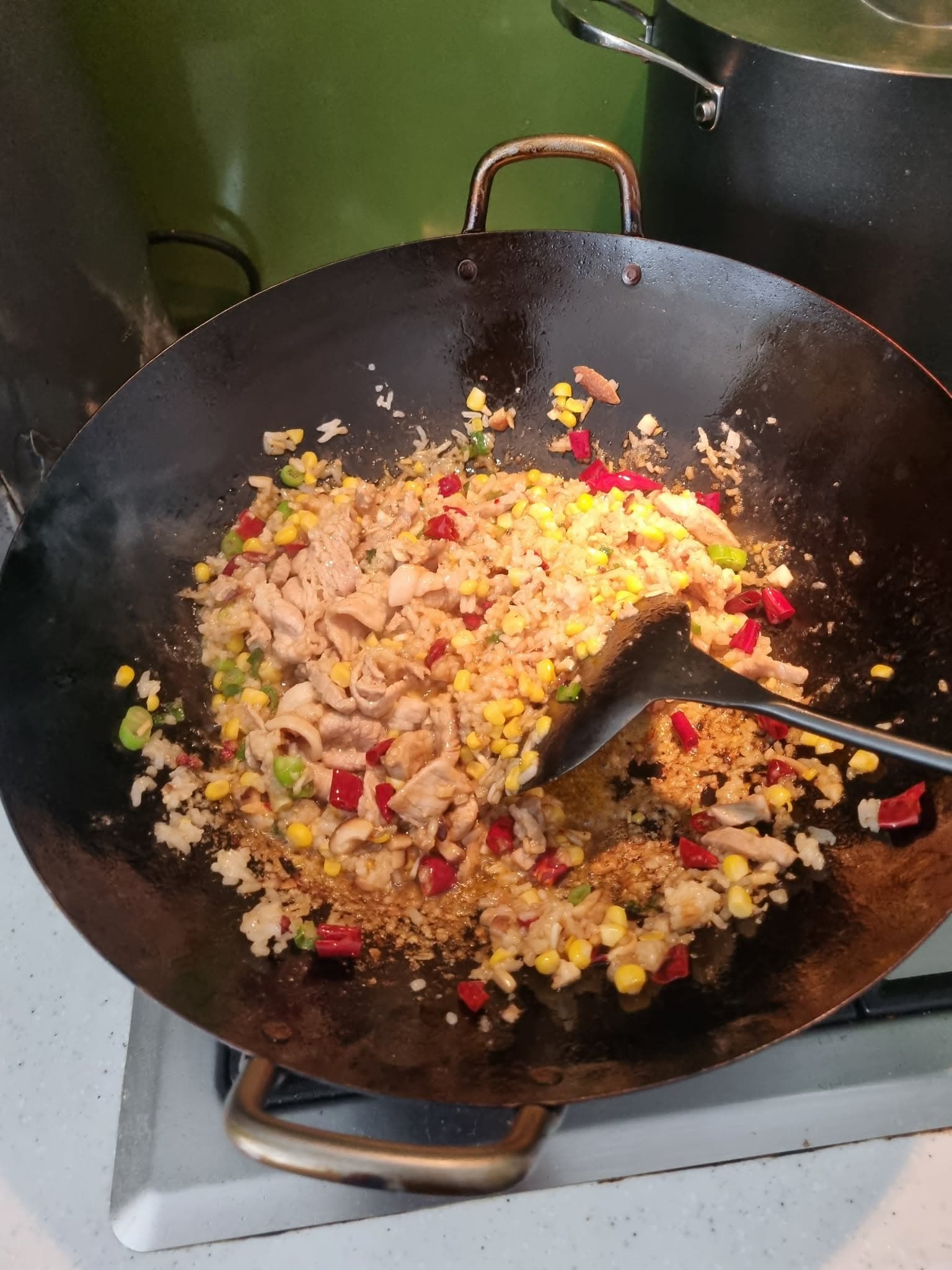
I take extremely fatty belly bao (like seriously its >50% fat) and lean pork 'rectangular prisms' (I don't remember their actual name), and I mix them roughly 50/50, then I cook them with fermented sichuan chillis and sichuan peppercorns.
I also started mixing beef tallow into the cold rice. Honestly I don't know how much of a difference it makes because I haven't done it in isolation.
The result was an extremely fatty, fragrant mess that was just delicious and I've cooked like 4 times since then.
Future: Chef Wang's YangZhou fried rice
Inspired by FutureCanoe this one seems like the one to try. And just by watching the video you get lots of weird aspects you wouldn't think of, like mixing lard into the rice.
Lard
sea cucumber
ham (not too fatty)
skin-on cooked chicken thigh
dried scallops
fresh bamboo shoots
shiitake mushrooms
blanched peas
shrimps (peeled)
eggs
scallions
kuan you (broad oil?)
Immediately watching the original video I can tell I don't have a big enough wok to make as much as he does.
Failures
First time frying shallots I burned them beyond edibility:
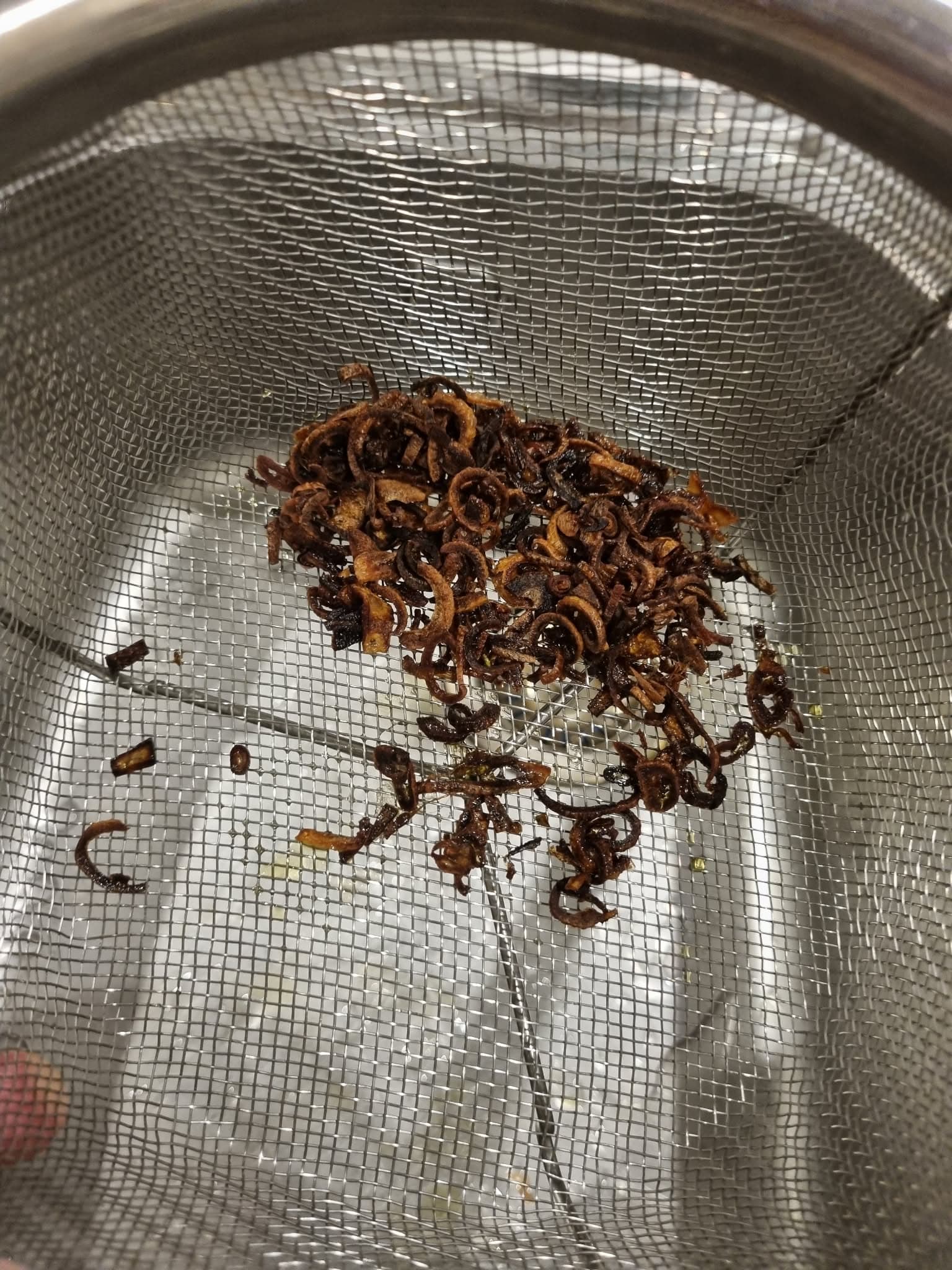
I thought it should be dark in colour when you take it out, but in fact it should be much lighter.
Restaurant observations
Prosciutto and Potato
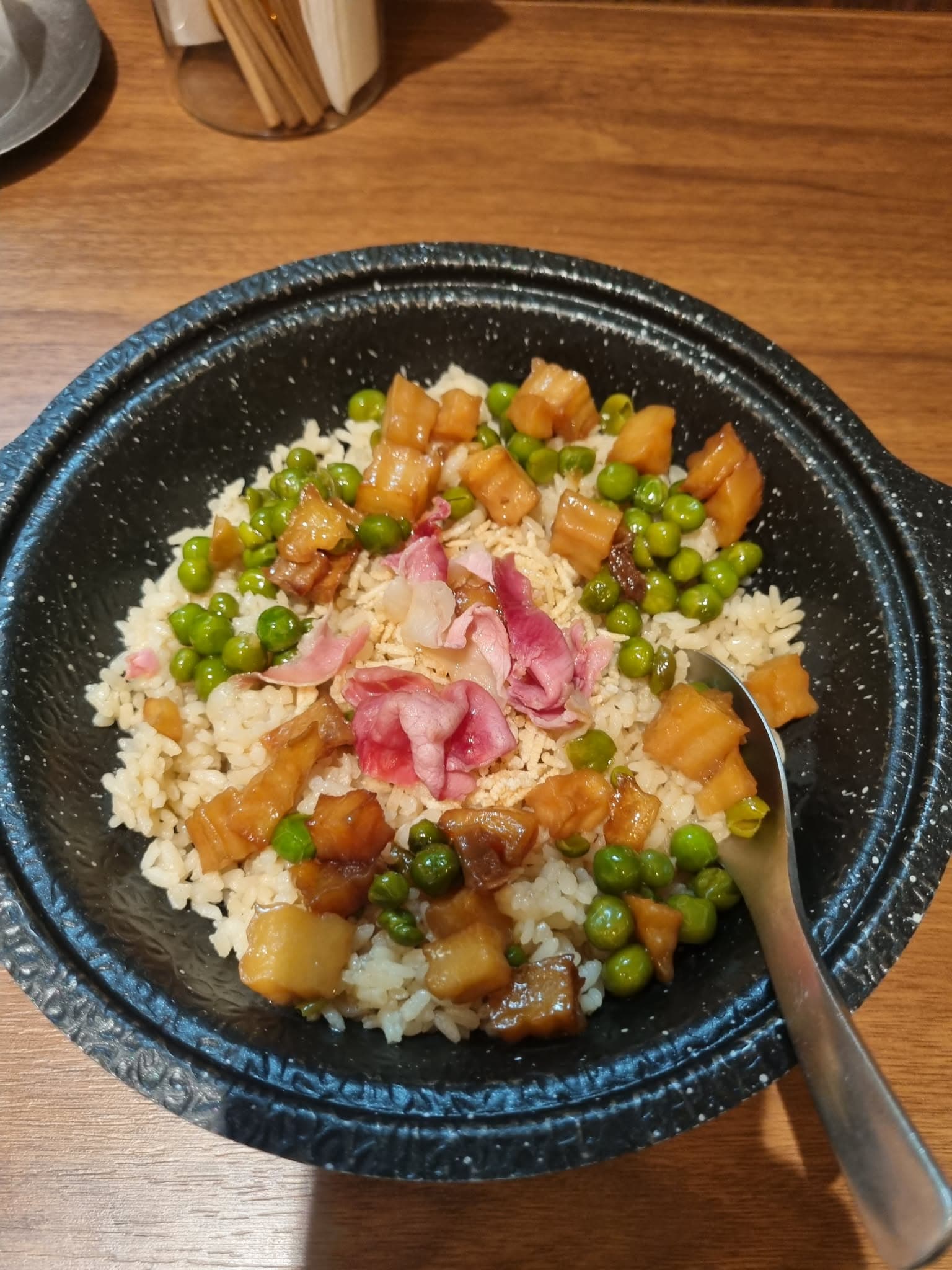
Ate a fried rice dish with prosciutto, potato, peas and something crunchy. It was a very interesting blend of textures, the soft potatoes, the crunchy bits, the rice between less soft, the peas popping, the prosciutto being chewy. It was actually very interesting. The final flavour was just... okay though.